Clear Crypto Wallet and Security Education

Welcome. DigiEduAu is an independent educational blog about crypto wallets, phishing awareness, and how fake coins are commonly presented online. We do not sell products, promote platforms, or provide investment advice. Choose a guide and read at your own pace.
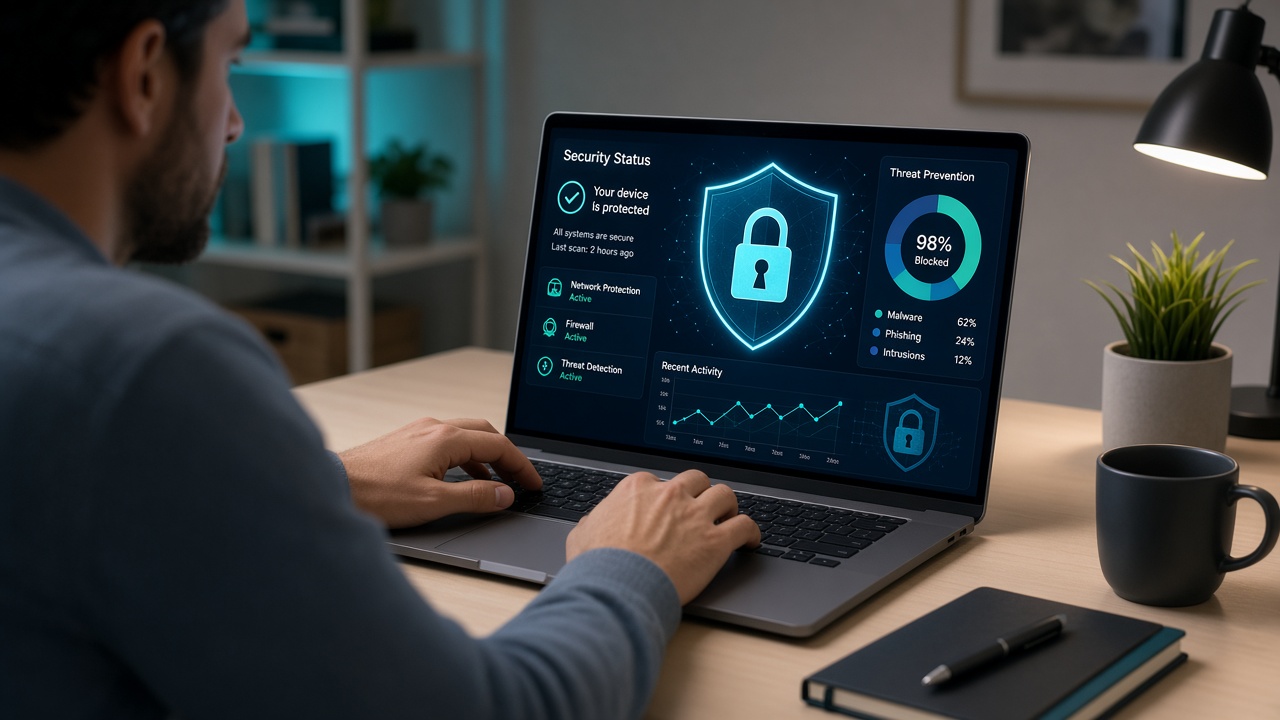
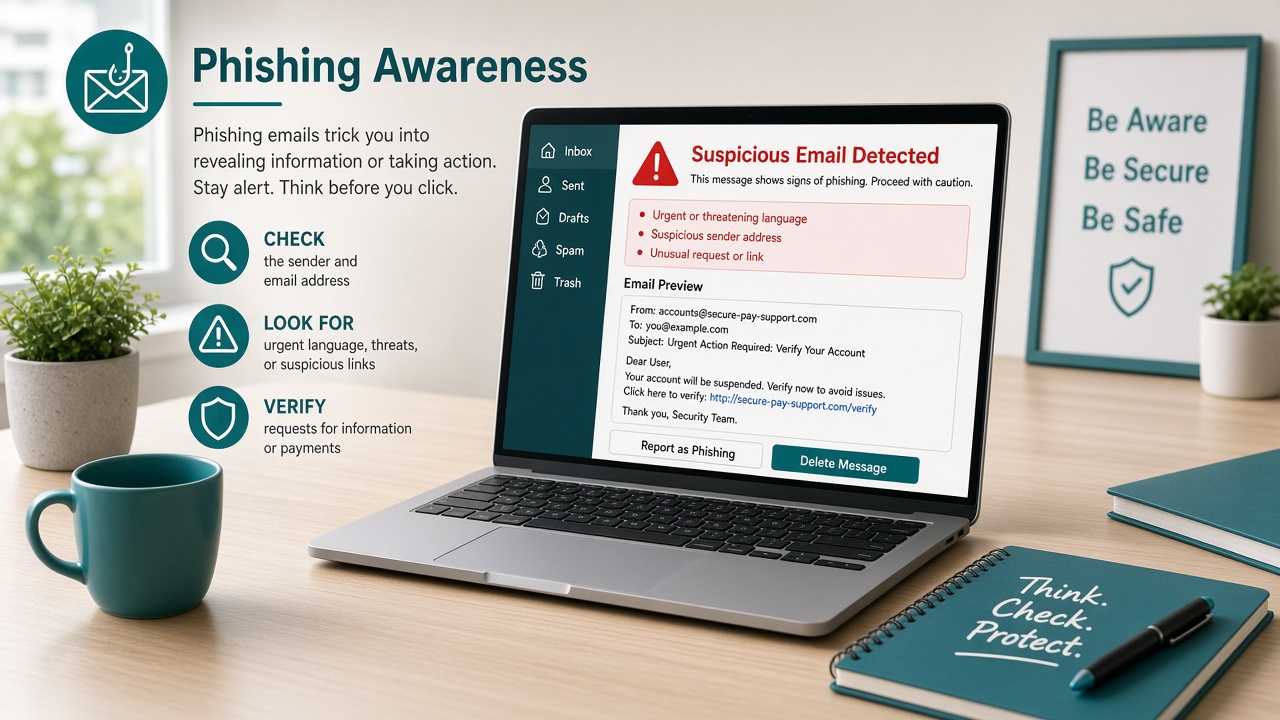
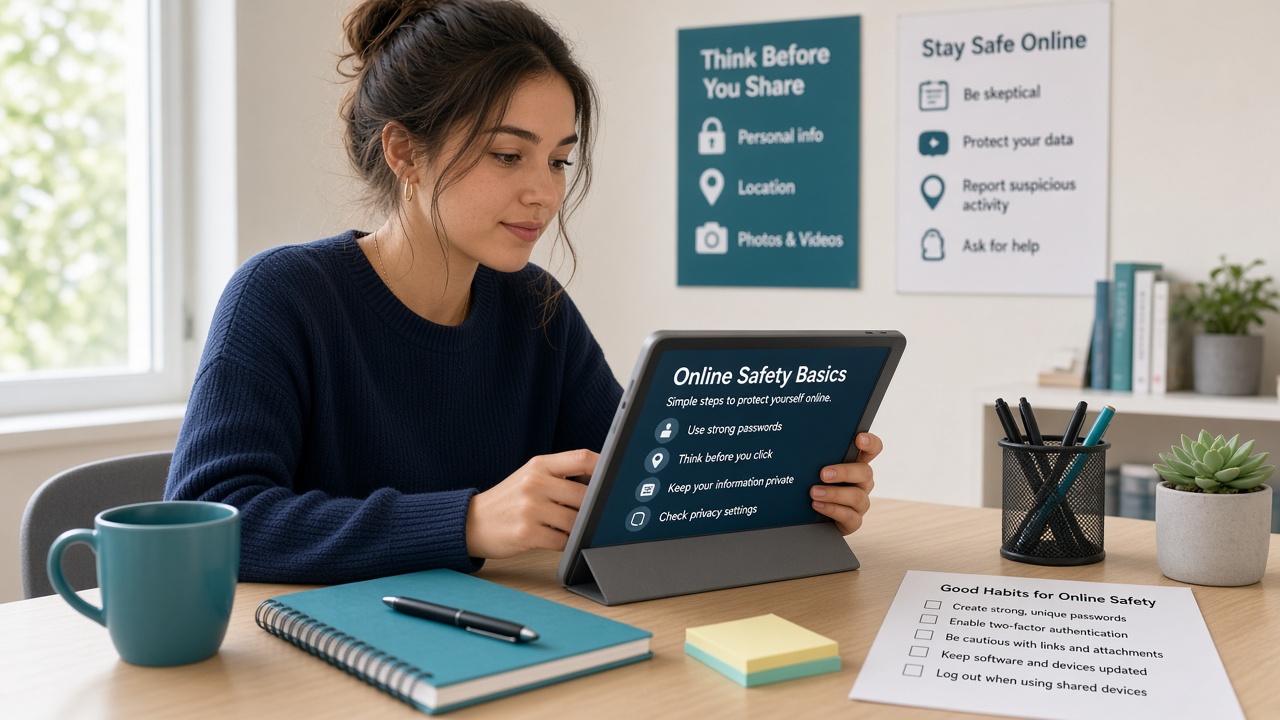
Person reviewing digital security education materials

Welcome, wherever you are reading from

Wallet security education topic
Wallet basics readers

Continue below for plain-language explanations of wallet types, seed phrases, private keys, and everyday security habits. This section is educational only and does not recommend any wallet product.

Phishing and fake coin education topic
Phishing and fake coin readers

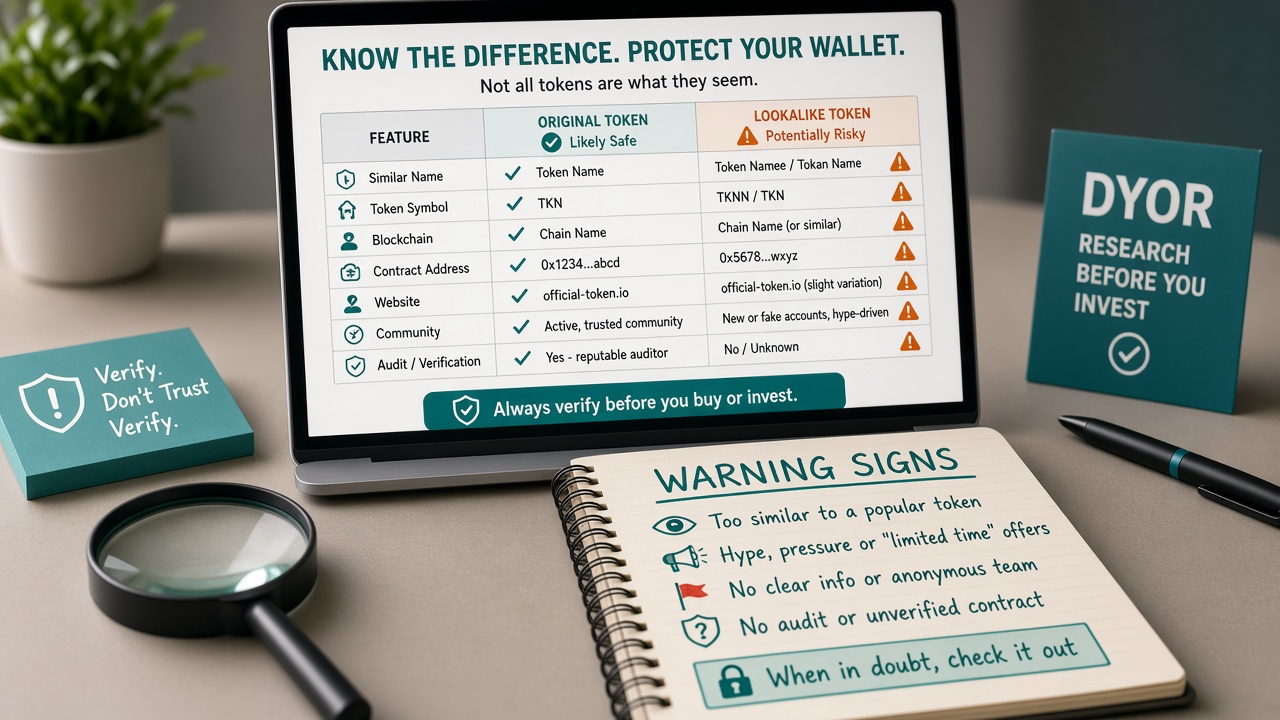
Open the phishing guide for articles about fake websites, recovery scams, lookalike tokens, and how to review suspicious messages without endorsing any service.

About us

DigiEduAu is a non-commercial educational blog for people who want to understand crypto wallet security, phishing tactics, and fake coin warning signs. Our goal is to explain complex topics in accessible language without offering personalised security consulting, investment advice, or recommendations for particular products or platforms. We are not affiliated with any exchange, wallet vendor, token project, or financial service. In every section, we distinguish general educational information from advice about an individual situation. Security decisions can depend on a person's tools, habits, and risk tolerance, so there is no single checklist that fits every reader. Our content is designed for learning and safer browsing habits rather than commercial recommendations.

Educational materials about wallet security

Who Our Readers Are

Everyday crypto users learning security
Everyday Crypto Users

Our readers include people who hold or transfer cryptoassets and want to understand basic wallet security concepts. They may be asking how seed phrases work, why phishing messages look convincing, or how fake tokens appear in search results. The blog provides plain-language explanations without assuming specialist cybersecurity knowledge. The emphasis is on understanding concepts and asking better questions.

Readers focused on phishing awareness
Phishing Awareness Learners

Some readers are less focused on wallet setup and more interested in recognising social engineering. They may have seen urgent messages, lookalike domains, or fake support chats. Our educational material explains patterns such as urgency, unexpected requests for seed phrases, and links that imitate familiar brands. In all cases, the aim is education rather than a monitoring or protection service.

Readers researching fake coins
Curious Security Researchers

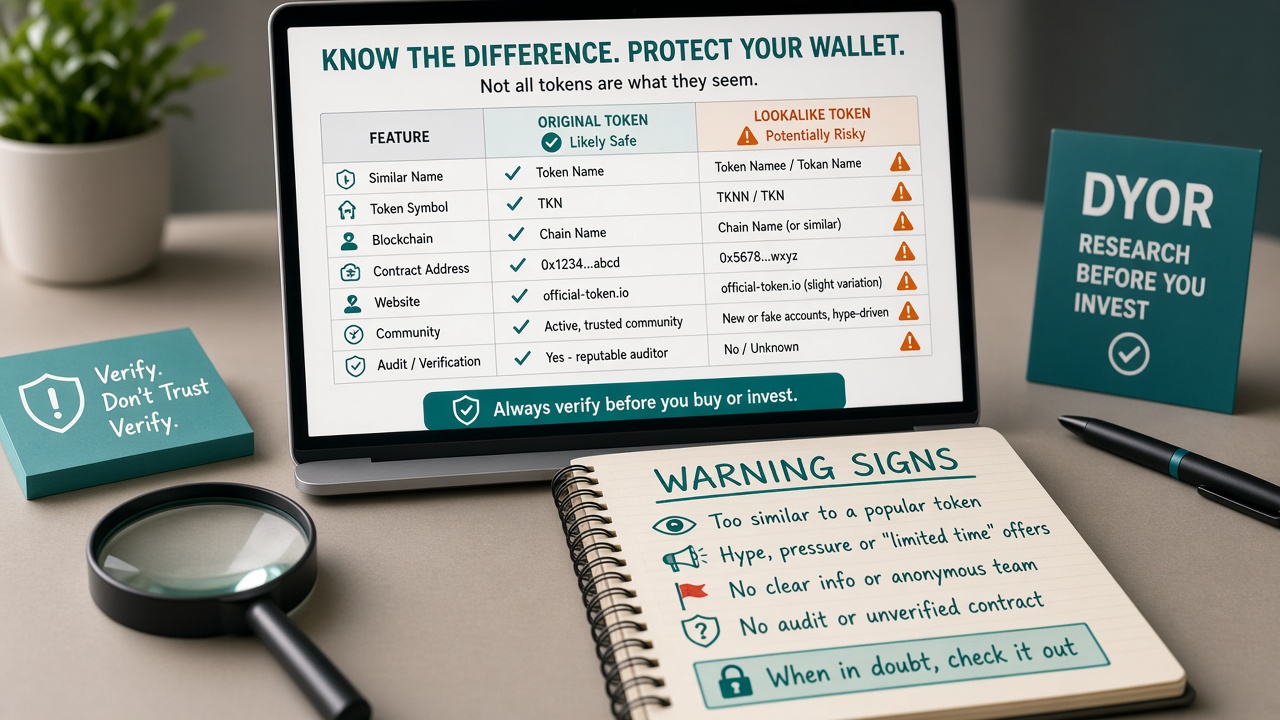
Another group consists of people who simply want to understand how fake coins, airdrop lures, and impersonation scams are described before making assumptions about their own circumstances. We provide neutral background on verification habits, common red flags, and why unsolicited offers should be treated carefully. The blog does not determine a reader's individual risk and does not recommend platforms, advisers, investment products, or specific purchases.

Disclaimer

The information on this blog is general educational material only. It is not financial advice, investment advice, or personalised security advice. It does not include tips, forecasts, calculators, or technical analysis, and it does not recommend any platform, wallet, token, or product. DigiEduAu has no commercial affiliations with crypto projects or service providers.

Wallet basics: How to Read a Security Checklist

A wallet security checklist should be read as a structured reminder of habits rather than as a guarantee against every risk. When reviewing security guidance, first check whether it separates concepts clearly: custody, access recovery, phishing resistance, and verification of apps or websites.

For anyone researching crypto wallet education, the next step is to understand what each term means. A seed phrase, a private key, a password, and a two-factor code are related but not identical. Sharing a seed phrase with anyone who claims to be “support” is a common phishing outcome, not a normal recovery step.

Pay particular attention to where information is stored, who can request it, and whether a message creates artificial urgency. Educational checklists often emphasise slowing down before clicking links, confirming domains carefully, and treating unexpected airdrops or giveaways as high-risk prompts.

Finally, compare any checklist with your own tools and habits. A general article is only as useful as the reader's willingness to verify claims independently. If something is unclear, investigate the underlying concept before relying on a summary.

Network security education visual

Wallet security articles

The articles below focus on wallets and safe access habits. If you want phishing and fake coin topics, open the Phishing Guide.

How crypto wallets work

Understanding How Crypto Wallets Work

Crypto wallets are tools for managing access to blockchain assets, not physical containers of coins. For people learning about wallet security, understanding the difference between custodial accounts and self-custody can make everyday decisions clearer. This subject is educational: DigiEduAu does not sell wallets or promote specific brands.

Seed phrases and private keys

Seed Phrases and Private Keys Explained

Seed phrases and private keys control access to self-custody wallets. Understanding what they are—and why strangers should never request them—helps readers recognise a major phishing pattern. The framework here is educational and independent of any wallet product.

Phishing patterns targeting wallets

How Phishing Targets Wallet Users

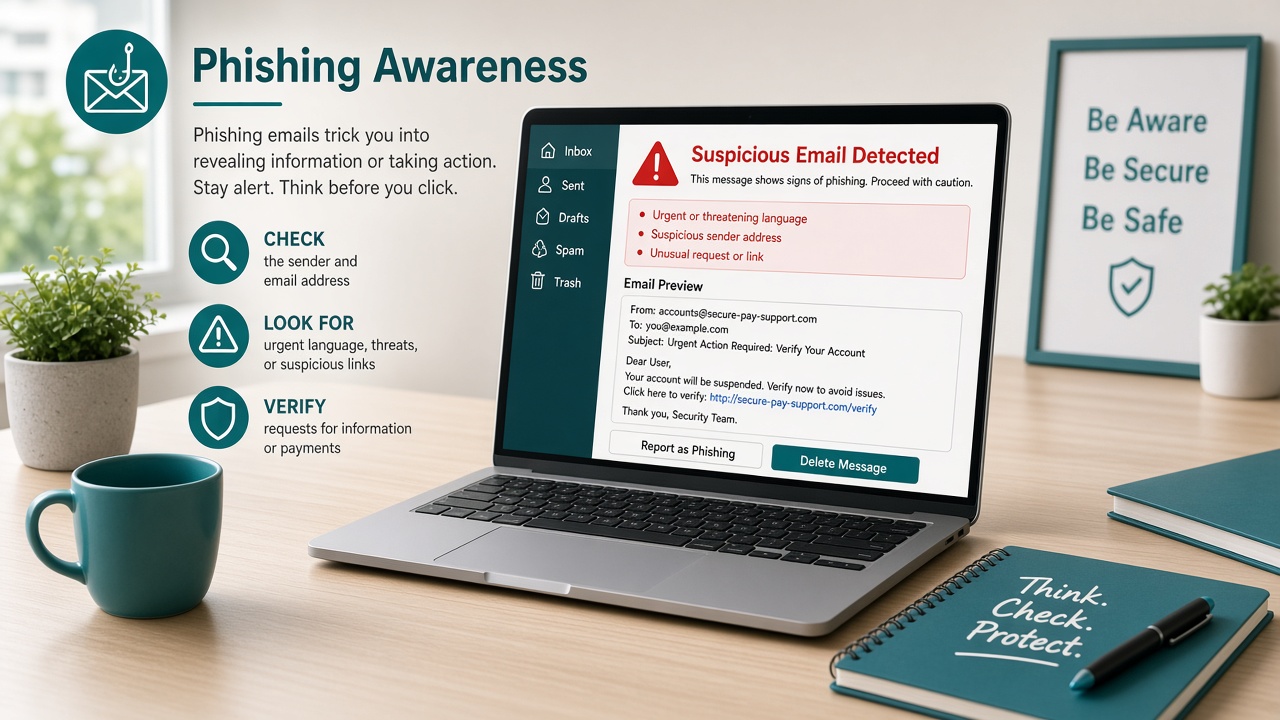
Phishing messages often imitate familiar brands, urgent account warnings, or unexpected rewards. Understanding these patterns is useful for anyone who wants to pause before clicking. When exploring how phishing works, it is important to separate education from product endorsements.

Custody models compared educationally

Custodial Accounts Compared With Self-Custody

Cryptocurrency access can be managed through a service account or through a personal wallet. These approaches differ in who controls recovery information and how phishing may appear. Understanding the differences is educational and does not recommend one commercial option over another.

Safe Habits Without Recommending a Platform

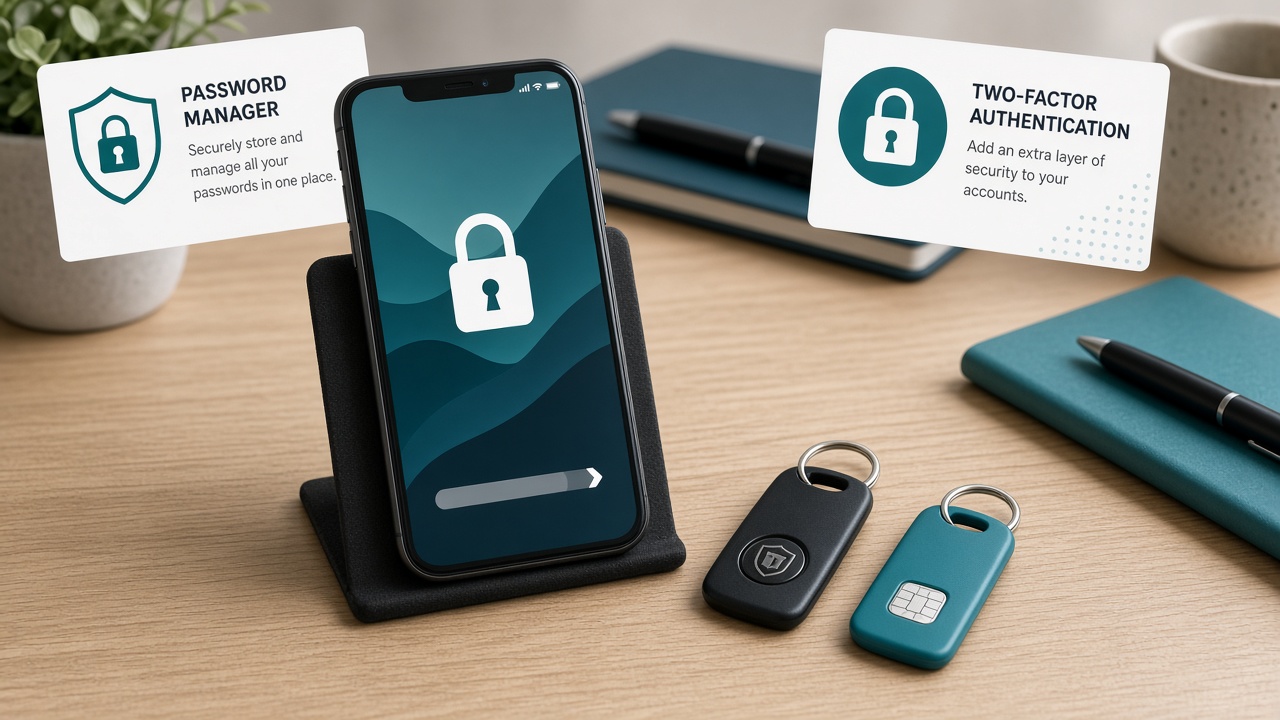
Security habits can appear under several names, including verification, least privilege, backup discipline, and phishing resistance. Understanding how they are described is useful when studying wallet safety and when reviewing unexpected messages.

Start by identifying exactly what a request is asking for. A legitimate education article may describe concepts; a phishing message may ask you to enter a seed phrase, approve a transaction you do not understand, or visit a lookalike website. These situations should not be treated as identical simply because both mention wallets.

For educational purposes, compare the sender, the URL, the urgency of the language, and whether the request matches known support practices. Independent security education often emphasises that genuine support teams do not need your seed phrase.

The question of whether a link is safe should therefore be considered alongside the underlying request rather than the branding alone. A familiar logo in an email does not independently prove authenticity. Its relevance depends on the domain, the channel, and how the message asks you to act.

This approach allows readers to understand security habits without endorsing a particular exchange, wallet, software product, or service. The purpose is simply to make suspicious prompts easier to recognise and question.

Safe authentication habits education

Our Phone

+61396148320

Our Office

Level 10, 530 Collins Street, Melbourne VIC 3000, Australia

© DigiEduAu 2026 - Independent educational content. All Rights Reserved